
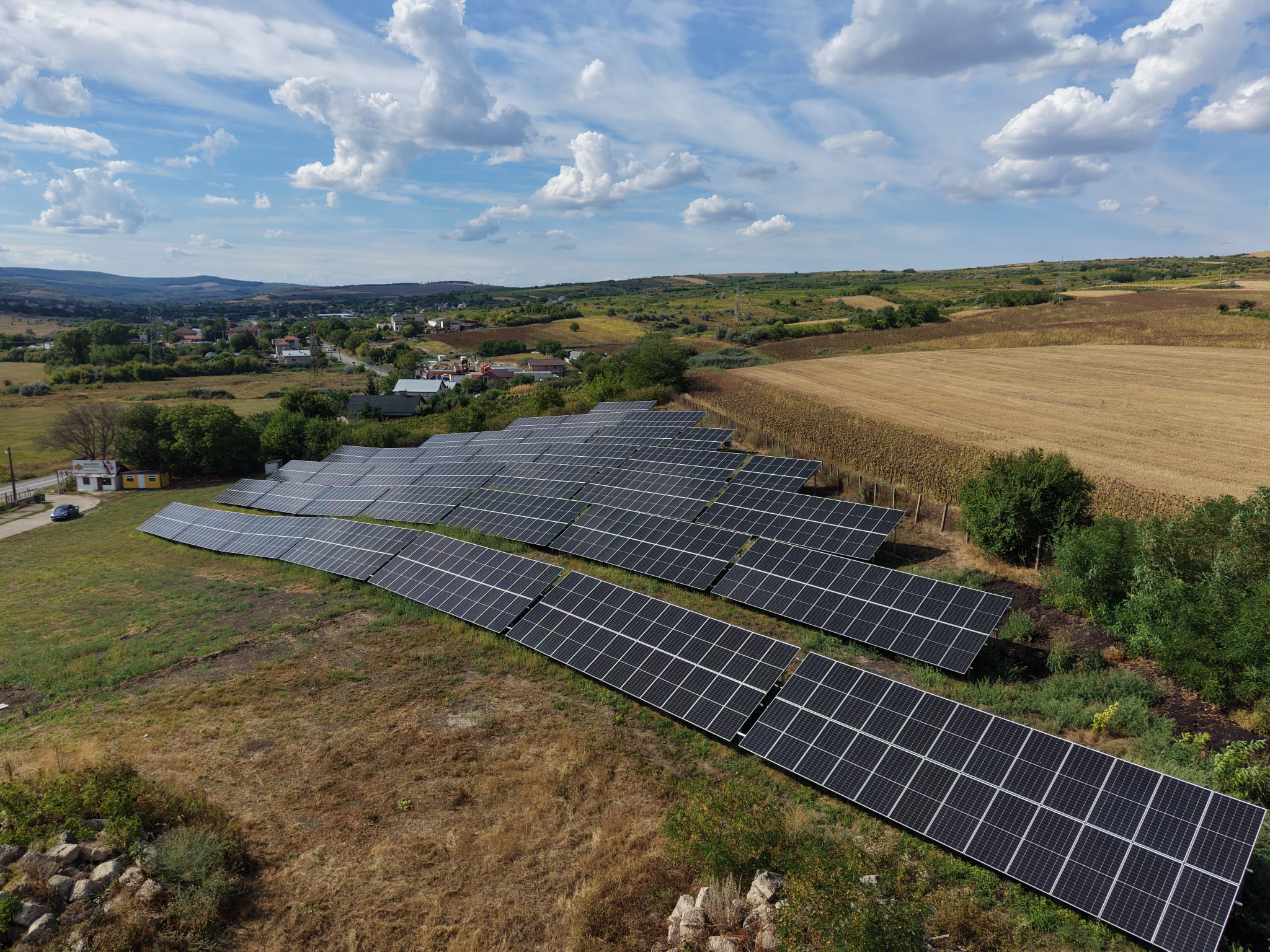
Information required before permitting
An accessible public information package should explain:
Technical data should be supported by maps, visual simulations, a realistic timetable and verified contact details. Developers should distinguish clearly between matters already decided, elements that can still change and issues that will be assessed together with stakeholders.
- the location of photovoltaic panels, battery units and the grid connection;
- land requirements and any compatible uses that will remain possible;
- distances from homes, roads and protected areas;
- measures concerning noise, fire protection, access and emergency response;
- the project’s visual appearance, fencing and landscape buffers;
- construction traffic and schedule;
- potential local jobs and supplier contracts;
- operational, maintenance and decommissioning responsibilities;
- tangible benefits for the municipality and local residents.
Engagement must begin before the site is final
The Commission toolbox recommends early mapping of affected stakeholders, including landowners, neighbours, farmers, local businesses, municipalities, distribution operators, environmental organisations and vulnerable groups.
Participation may take several forms:
The level of influence offered should be stated from the beginning. Unclear or unrealistic promises may damage trust more than an honest limitation.
- Consultation — the community submits views and questions.
- Co-development — feedback can change the site, scale, access or mitigation measures.
- Co-decision — defined elements, such as the use of a community fund, are decided jointly.
Sharing project benefits
Local benefits should not be treated as payment for consent. They should be transparent, proportionate and compliant with applicable law. European models include:
In Ireland, renewable projects supported through the national scheme contribute at least EUR 2/MWh to community benefit funds. In Greece, part of a special levy for renewable and hybrid projects is transferred to nearby consumers through bill reductions, while the remainder supports local environmental, development and social programmes. Certain Dutch models aim for up to 50% local ownership of wind and solar projects.
These arrangements do not automatically apply in Romania. They demonstrate that benefit-sharing can be designed during feasibility work, subject to legal and tax review.
- direct participation or co-investment through an energy community;
- dividends, land rents or defined compensation;
- lower energy costs where the regulatory framework permits;
- funds for schools, healthcare, training or infrastructure;
- local procurement and jobs in construction, operation and maintenance;
- upgrades to roads, networks or public facilities;
- programmes for vulnerable households.
The place of battery storage
A BESS can increase self-consumption, manage power peaks and shift energy use to more advantageous periods. Its inclusion also requires clear communication about technology, location, emergency access, monitoring, fire protection and operating responsibilities.
Communities should receive more than a general statement that the system is safe. They need to understand the applicable standards, the operator’s responsibilities and how the installation and any incidents will be monitored.
From consultation to an energy community
The European Commission describes energy communities as an advanced form of citizen participation. Residents, small businesses and local authorities can jointly produce, consume, store and share energy.
Recommendation (EU) 2026/1007 notes that energy sharing combined with demand response, load shifting and storage can deliver savings for consumers and for the energy system. Accurate metering, access to data and transparent allocation rules are essential.
Practical checklist
Before final applications are submitted, a project should include:
ECONERGY can support energy audits, site assessment, photovoltaic and BESS sizing, technical-financial modelling, preparation of technical information for public dialogue and coordination of the technical, legal and operational stages with authorised specialists.
- stakeholder and affected-property mapping;
- a non-technical project presentation;
- site alternatives and justification of the selected option;
- assessment of land, landscape and local-infrastructure effects;
- BESS safety and operational concept;
- proposed local benefit mechanism;
- consultation schedule and response register;
- indicators to be reported after commissioning.